photos and graphics by Abeking & Rasmussen
SWATH and SWASH are interesting technologies that allow a vessel to sail much more calmly in high waves. A stable and calm position of the ship is especially important for pilot boarding. We have put together some content (articles and videos) about SWATH and SWASH on our website over the course of time. At the end of this article you will find more information and facts as related content.
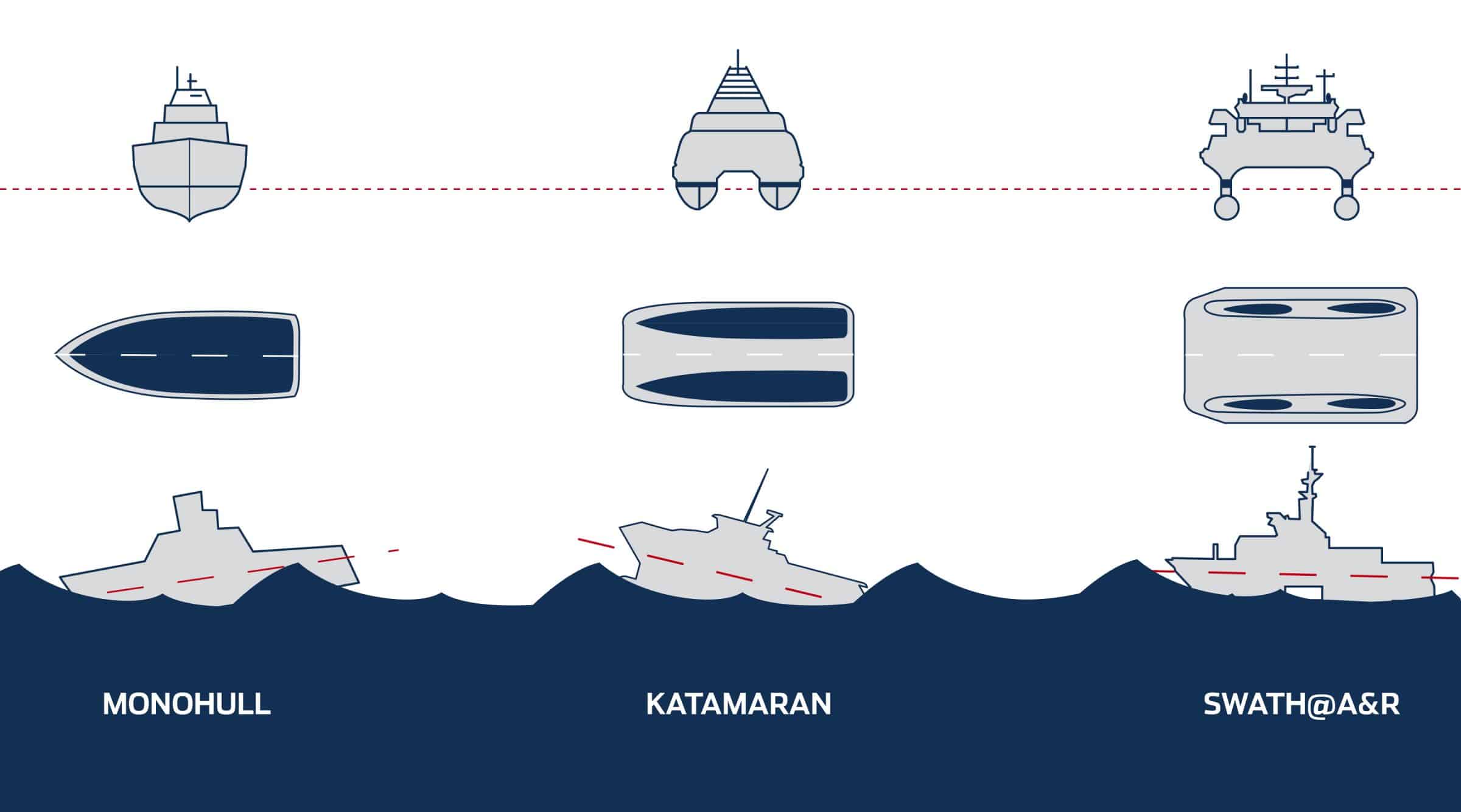
Swath@A&R – An Idea on the Rise
For thousands of years ships have been firmly anchored in human identity. They have benefited and advanced the human kind in countless ways. And yet all along this amazing journey seafarers have been plagued by seasickness, an incessant and relentless nausea caused by the ship’s rolling and rocking. Many experts have tried to find the remedy for the persistent ailment, but always with moderate success.
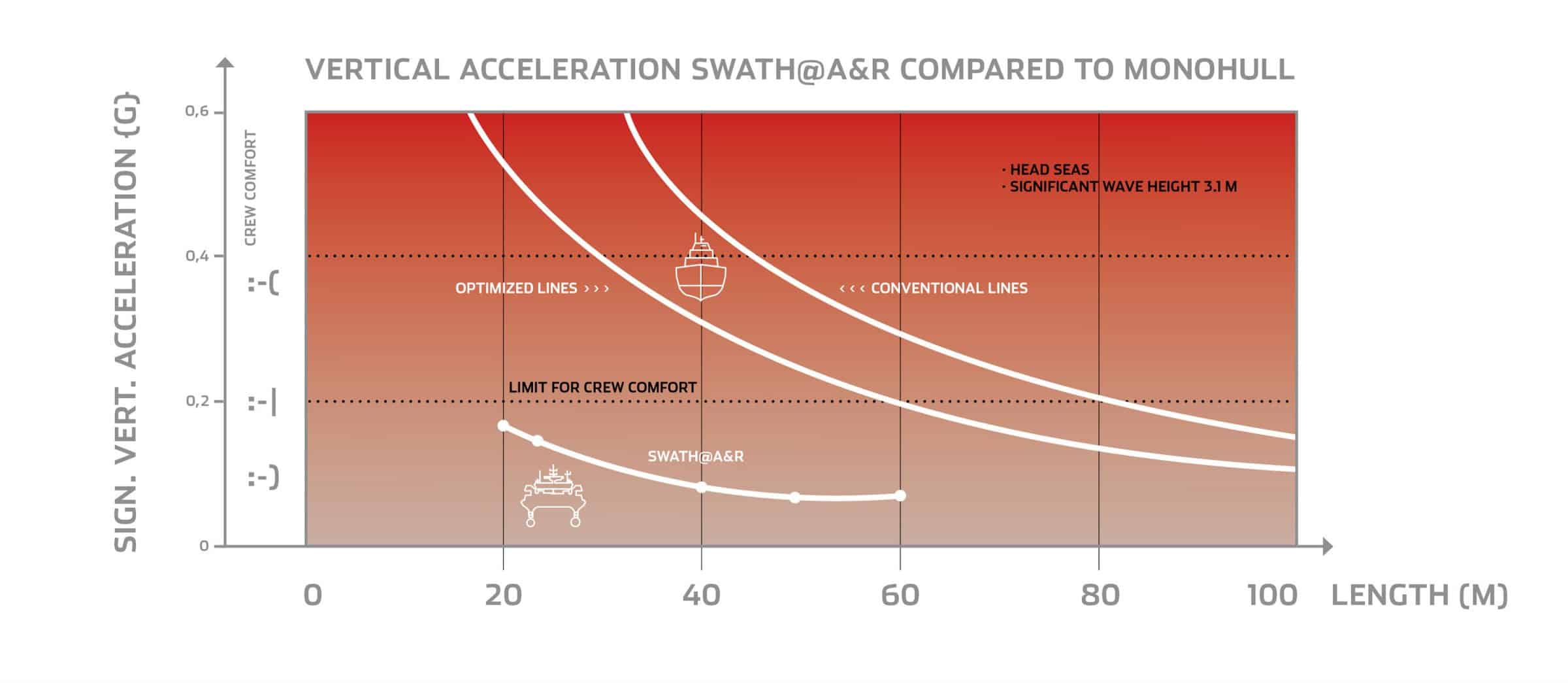
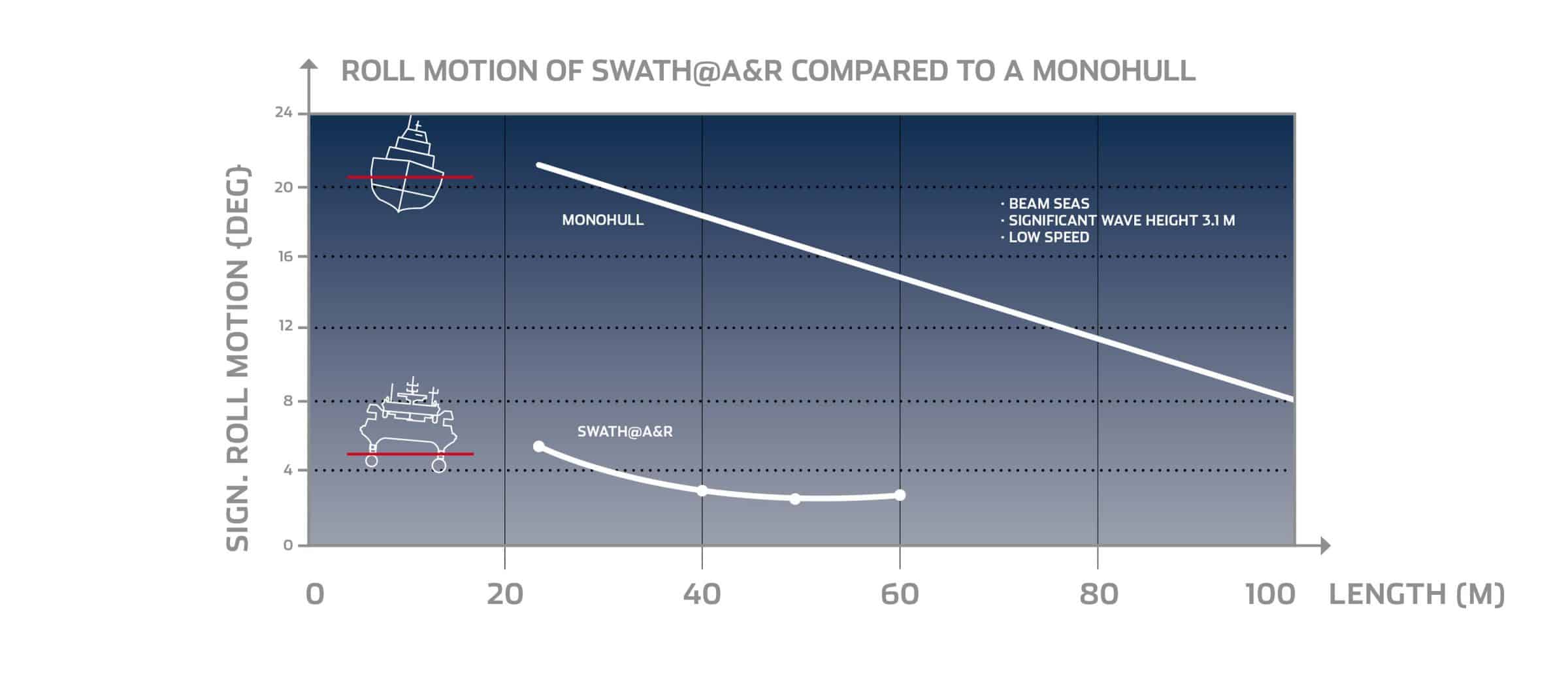
That is, until Abeking & Rasmussen took up the challenge in 1999 in their usual, intense way and set new standards in on-board comfort and seakeeping with the development of the SWATH technology. Since then, the shipyard delivered almost 30 extremely accomplished SWATH@A&R (Small Waterplane Area Twin Hull) vessels that owe their success to one groundbreaking advantage – stable and calm voyage even in high and stormy seas. With the innovative technology the shipyard won accolades across the shipbuilding world and took its rightful place as the world market leader in this highly promising industry sector.
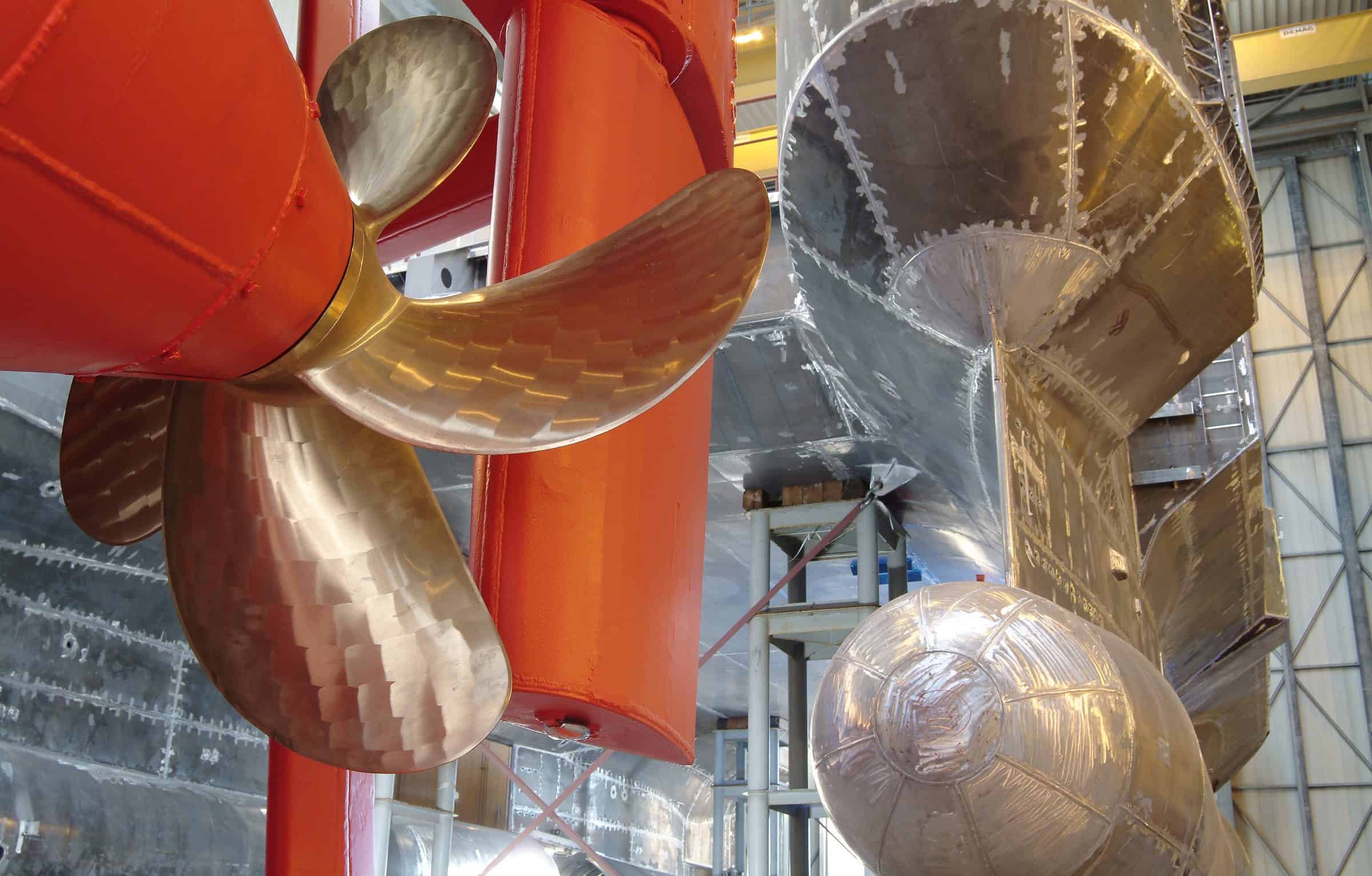
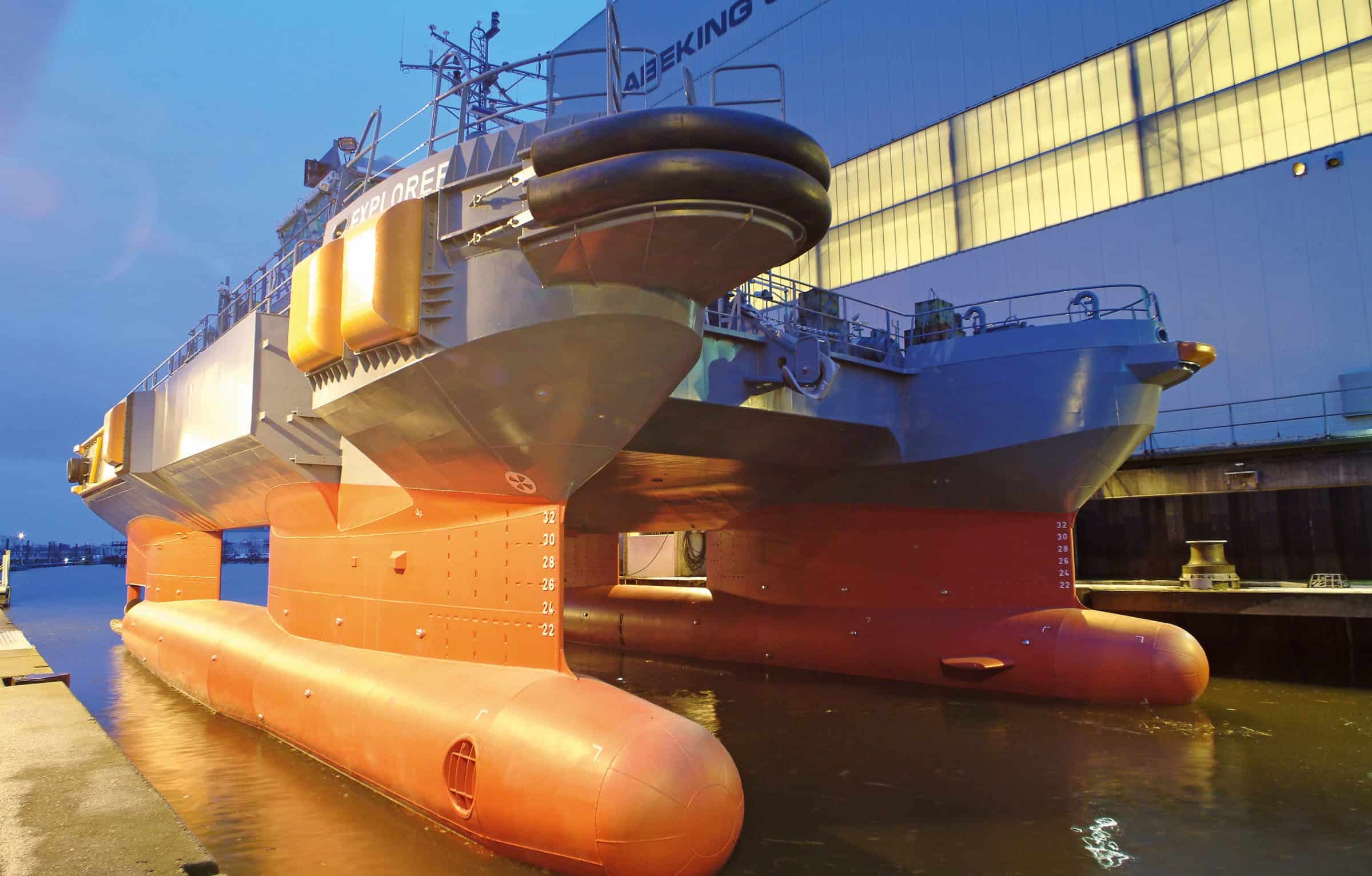
SWATH and SWASH are interesting technologies that allow a vessel to sail much more calmly in high waves. A stable and calm position of the ship is especially important for pilot boarding. We have put together some content (articles and videos) about SWATH and SWASH on our website over the course of time. At the end of this article you will find more information and facts as related content.
Swath@A&R – An Idea on the Rise
For thousands of years ships have been firmly anchored in human identity. They have benefited and advanced the human kind in countless ways. And yet all along this amazing journey seafarers have been plagued by seasickness, an incessant and relentless nausea caused by the ship’s rolling and rocking. Many experts have tried to find the remedy for the persistent ailment, but always with moderate success.
That is, until Abeking & Rasmussen took up the challenge in 1999 in their usual, intense way and set new standards in on-board comfort and seakeeping with the development of the SWATH technology. Since then, the shipyard delivered almost 30 extremely accomplished SWATH@A&R (Small Waterplane Area Twin Hull) vessels that owe their success to one groundbreaking advantage – stable and calm voyage even in high and stormy seas. With the innovative technology the shipyard won accolades across the shipbuilding world and took its rightful place as the world market leader in this highly promising industry sector.